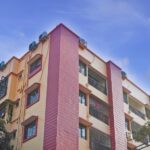
A property site visit is one of the most important steps before buying a home. Online photographs, brochures and floor plans can help you shortlist a property, but a physical visit allows you to understand how the apartment and residential environment actually feel.
Whether you are visiting a BS Group project or another residential development in Kolkata, knowing what to check during the visit can help you identify practical issues and ask better questions before making a buying decision.
Why a Property Site Visit Matters
A site visit gives you an opportunity to evaluate more than the apartment itself.
You can assess:
- Apartment layout
- Natural light
- Ventilation
- Room usability
- Construction and finishing
- Common areas
- Parking
- Building access
- Surrounding environment
- Location convenience
- Questions that may not be answered in promotional material
For buyers comparing residential projects in Kolkata, visiting shortlisted properties can make the final comparison much more realistic.
Check the Location Before Entering the Property
Your inspection should begin as soon as you reach the area.
Pay attention to the immediate surroundings and consider whether the location works for your daily routine.
Look at:
- Road access
- Traffic conditions
- Public transport options
- Nearby shops
- Grocery and pharmacy access
- Schools
- Healthcare facilities
- General neighbourhood environment
- Noise levels
If you are considering BS Group properties in Kolkata, evaluate the actual project location rather than relying only on general descriptions of the area.
Inspect the Building Entrance
The entrance is one of the first parts of the property you will experience regularly.
Check:
- Entry and exit arrangements
- Lobby condition
- Lighting
- Signage
- Accessibility
- General cleanliness
- Security arrangements where applicable
These details can provide useful information about the everyday residential environment.
Examine the Apartment Layout
Once inside the apartment, don’t immediately focus on decoration or furniture.
First understand the layout.
Ask yourself:
Can my family use this space comfortably every day?
Check:
- Bedroom sizes
- Living room
- Dining area
- Kitchen
- Bathrooms
- Balcony
- Passageways
- Storage possibilities
Think about where your existing furniture would go.
A floor plan that looks good on paper may work differently when you actually walk through the space.
Check Natural Light
Natural light can have a significant effect on how an apartment feels.
During the visit, observe:
- Which rooms receive daylight
- Window placement
- Amount of natural light
- Whether neighbouring structures affect light
- Whether darker areas need artificial lighting during the day
If possible, visit at a time when you can properly assess daylight conditions.
Check Ventilation
Good ventilation can make a home more comfortable.
Look at:
- Window locations
- Air movement
- Kitchen ventilation
- Bathroom ventilation
- Cross-ventilation where applicable
Don’t judge ventilation solely from photographs.
Spend a few minutes inside the rooms and see how they actually feel.
Inspect Walls and Ceilings
Look closely at walls and ceilings for visible signs of:
- Dampness
- Water stains
- Cracks
- Peeling paint
- Discolouration
- Previous repairs
A minor cosmetic mark does not necessarily indicate a major problem, but anything concerning should be questioned.
For significant concerns, consider getting an appropriately qualified professional to inspect the property.
Check Flooring and Finishing
Walk through each room rather than inspecting only the living room.
Look for:
- Cracked tiles
- Uneven flooring
- Loose tiles
- Damaged edges
- Gaps
- Visible finishing issues
If the property is still under construction, review the applicable specifications and understand what finishing is expected to be provided.
Open the Doors and Windows
Don’t hesitate to physically test doors and windows where access is permitted.
Check:
- Whether doors open and close smoothly
- Locks
- Hinges
- Window operation
- Frames
- Glass condition
- Ventilation
This is particularly relevant for families planning long-term occupancy.
Inspect the Kitchen
The kitchen should be evaluated based on how you intend to use it.
Check:
- Counter space
- Storage
- Sink position
- Plumbing
- Ventilation
- Electrical points
- Appliance placement
- Movement space
Try to imagine the kitchen with your refrigerator, washing machine and other appliances installed.
Check Bathrooms Carefully
Bathrooms can reveal practical issues that are easy to overlook.
Check:
- Water flow
- Drainage
- Taps and fittings
- Visible leakage
- Dampness
- Ventilation
- Tile condition
- Space around fixtures
If the property is completed and testing is permitted, actually use the available fixtures rather than relying only on appearance.
Check Electrical Points
Walk through each room and identify the available electrical points.
Consider whether you have convenient locations for:
- Television
- Refrigerator
- Air conditioner
- Computer
- Internet equipment
- Kitchen appliances
- Washing machine
- Lighting
If your family works from home, check whether the layout supports your technology and workspace requirements.
Examine the Balcony
If the apartment has a balcony, inspect it carefully.
Check:
- Flooring
- Drainage
- Railings
- Door operation
- Water accumulation
- Usable space
Also consider privacy and how the balcony fits into your family’s lifestyle.
Don’t Forget Parking
Parking can be an important consideration for home buyers.
Ask for clear information about:
- Parking availability
- Parking type
- Location
- Accessibility
- Charges
- Applicable documentation
Don’t assume that parking arrangements are the same across different residential projects.
When comparing BS Group projects, evaluate the parking arrangement of the specific project you are considering.
Inspect Elevators and Staircases
If the property is part of a multi-storey residential building, check the accessibility of elevators and staircases.
Consider:
- Elevator access
- Staircase condition
- Lighting
- Handrails
- Ease of movement
- Access during emergencies
For families with children or elderly parents, these factors can be particularly relevant.
Look at the Common Areas
The apartment is only one part of your future home.
Walk through the common areas where possible.
Check:
- Corridors
- Lobby
- Staircases
- Elevators
- Parking
- Open areas
- Community spaces
- General maintenance
A well-planned apartment should also be supported by practical common spaces.
Assess Noise Levels
Spend a few quiet minutes simply listening.
Consider noise from:
- Traffic
- Nearby commercial activity
- Construction
- Building equipment
- Common areas
- Neighbouring properties
Noise conditions can vary by time of day, so a second visit at another time can sometimes provide additional insight.
Check Mobile Network and Internet Requirements
Modern home buyers often need reliable connectivity for work, education and everyday communication.
During your visit, check your mobile network reception if possible.
If internet connectivity is important for your household, ask about available service providers rather than assuming a particular service will be available.
Consider Accessibility for Older Family Members
If elderly parents will live with you, don’t inspect the property only from the perspective of younger family members.
Consider:
- Ease of entering the building
- Elevator access
- Bedroom location
- Bathroom access
- Corridor width
- Flooring
- Staircase access
- Ease of movement within the apartment
A home that works well for everyone can make long-term family living considerably easier.
Ask Questions About the Project
Use the site visit to clarify information that isn’t obvious from the property itself.
Useful questions include:
- What is the current project status?
- What apartment configurations are available?
- What is included in the quoted price?
- Which charges are additional?
- What are the parking arrangements?
- What facilities are available?
- What maintenance arrangements apply?
- What documentation can be reviewed?
- What are the applicable possession or handover terms?
- Which specifications are confirmed in the agreement?
Get important information in writing wherever possible.
Compare What You See With What Was Advertised
This is one of the most useful things you can do during a site visit.
Compare the actual property with:
- Website information
- Brochure
- Floor plan
- Specifications
- Sales communication
- Other written information
If you notice a difference, ask for clarification before proceeding.
This applies whether you are evaluating BS Group or another developer.
Take Notes During the Visit
If permitted, take photographs and notes.
Record:
- Apartment dimensions
- Questions
- Visible issues
- Parking information
- Common-area observations
- Important specifications
- Additional charges
- Documents you need to review
If you visit several flats in Kolkata, this information will make it easier to compare them later.
Visit More Than One Property
Don’t feel pressured to make a decision after your first site visit.
Shortlist several suitable properties and compare them using the same criteria.
For example:
| Factor | Property A | Property B | Property C |
| Location | |||
| Apartment size | |||
| Layout | |||
| Natural light | |||
| Ventilation | |||
| Parking | |||
| Common areas | |||
| Accessibility | |||
| Documentation | |||
| Total cost | |||
| Long-term suitability |
This creates a more objective buying process.
Don’t Make a Decision Based Only on the Site Visit
A site visit is important, but it is not the complete due-diligence process.
Before purchasing, also review:
- Relevant property documents
- Applicable regulatory information
- Agreement terms
- Cost breakdown
- Payment schedule
- Specifications
- Possession or handover information
For legal or technical questions, consider independent professional advice.
How to Evaluate a BS Group Property During a Site Visit
If you are researching BS Group Kolkata, use the site visit to evaluate the specific project rather than relying only on the brand.
Look at:
BS Group project → Location → Apartment → Layout → Specifications → Common areas → Parking → Accessibility → Documentation → Total cost
This same checklist can then be used to compare the property with other residential options in Kolkata.
Final Thoughts
A property site visit should be treated as an important part of your home-buying research, not simply as a viewing appointment.
Check the apartment layout, walls, flooring, windows, ventilation, kitchen, bathrooms, electrical points and balcony. Then look beyond the apartment at parking, elevators, common areas, accessibility and the surrounding neighbourhood.
Whether you are considering BS Group or another real estate developer, take notes, ask questions and verify important information before making a financial commitment.
A careful site visit can help you understand whether a property looks good not just on paper, but also as a practical home for your family.
Frequently Asked Questions
What should I check first during a property site visit?
Start with the location and building access, then inspect the apartment layout, natural light, ventilation, walls, flooring, doors, windows, kitchen, bathrooms and electrical points.
How many times should I visit a property before buying?
There is no fixed number. If possible, visiting at different times of day can help you assess factors such as light, noise and surrounding activity more effectively.
Should I check common areas during a site visit?
Yes. Corridors, elevators, staircases, parking and other common areas are part of your everyday living environment and should be considered before buying.
What should I ask a developer during a site visit?
Ask about apartment specifications, project status, pricing, additional charges, parking, facilities, maintenance, documentation and applicable possession or handover terms.
How should I evaluate a BS Group property?
When visiting a BS Group project, assess the specific property’s location, layout, specifications, common areas, accessibility, parking, documentation and total financial commitment before making your decision.