
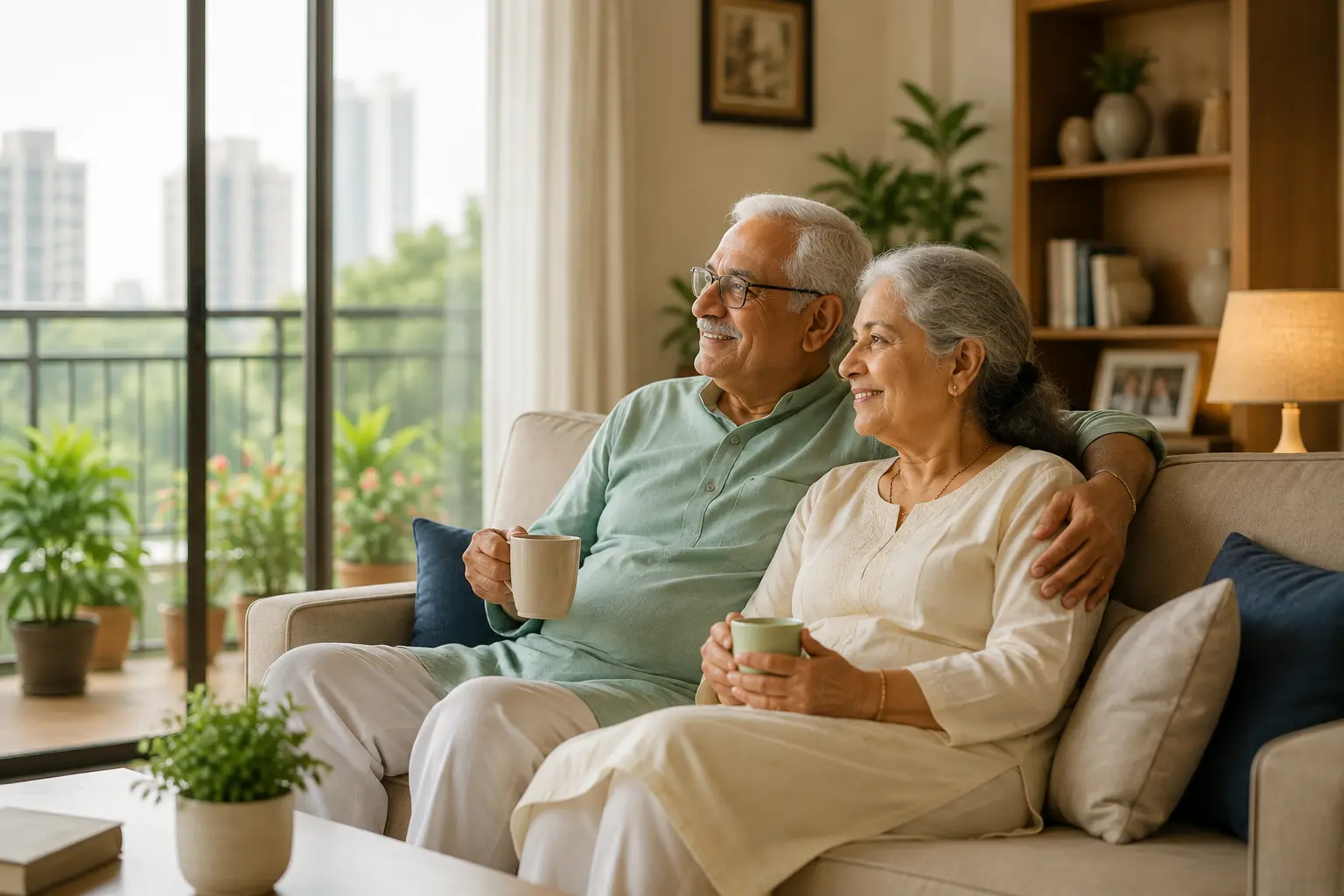
Retirement brings a major change in everyday life. After years of following work schedules, managing professional responsibilities and maintaining a busy routine, many people suddenly have more time to focus on themselves, their family and the things they enjoy.
However, retirement can also bring new challenges. For many older adults, the biggest concern is not simply where to live. It is how to continue living an active, connected and independent life.
For families and older adults exploring senior citizens living in Kolkata, the right lifestyle often depends on a combination of factors. A comfortable home, access to daily essentials, healthcare facilities, opportunities for social interaction and convenient connectivity can all play an important role.
This guide explores some common challenges senior citizens may face after retirement and practical ways to create a more comfortable and independent lifestyle in Kolkata.
Retirement Does Not Have to Mean a Less Active Life
One common misconception is that retirement automatically means slowing down and spending most of the time at home.
For many people, retirement can actually provide an opportunity to focus on activities that were previously difficult to prioritise.
This may include:
- Spending more time with family
- Meeting friends
- Pursuing hobbies
- Reading
- Walking
- Participating in community activities
- Learning new skills
- Travelling locally
- Maintaining social connections
The key is to create a living environment that makes these activities easier.
For senior citizens living in Kolkata, the location of the home and the surrounding neighbourhood can significantly influence how active and independent everyday life feels.
Problem 1: Social Connections Can Reduce After Retirement
During working life, people often interact with colleagues, clients, friends and others almost every day.
After retirement, that routine can change significantly.
Children may be busy with their own careers and families. Friends may live in different parts of the city. Some people may gradually spend more time alone at home.
Over time, this can make daily life feel less engaging.
The Solution: Choose a Lifestyle That Encourages Interaction
Staying socially connected does not necessarily require a busy schedule.
Simple activities can help maintain regular interaction, such as:
- Meeting neighbours
- Spending time with friends
- Joining local groups
- Participating in cultural activities
- Taking regular walks
- Visiting nearby community spaces
- Spending time with family
When choosing a home, it can be useful to consider whether the residential environment provides opportunities for natural social interaction.
A home should provide privacy, but the surrounding environment should not make everyday connection unnecessarily difficult.
Problem 2: Living Independently Can Become More Challenging
Many senior citizens value their independence.
Being able to manage daily activities, visit nearby places, meet friends and maintain a personal routine can contribute significantly to quality of life.
However, independence can become more difficult when essential services require complicated travel.
The Solution: Make Everyday Needs Convenient
A practical location can reduce unnecessary dependence on others.
Before choosing a home, consider the accessibility of:
- Grocery stores
- Pharmacies
- Markets
- Banks
- ATMs
- Healthcare facilities
- Transportation
- Local services
The goal is not necessarily to have every facility directly outside the building.
Instead, senior citizens should consider whether essential activities can be managed conveniently.
For independent living for senior citizens in Kolkata, daily convenience is often just as important as the apartment itself.
Problem 3: Staying Active Can Become Difficult Without the Right Routine
After retirement, a person may have more free time but fewer fixed activities.
Without a regular routine, it can become easy to spend most of the day indoors.
The Solution: Build a Meaningful Daily Routine
A routine does not need to be rigid.
It can include activities that support physical movement, mental engagement and social interaction.
For example:
Start the Day With Movement
Depending on personal ability and preferences, this could include walking or other suitable physical activities.
Make Time for Social Interaction
Regular conversations with friends, neighbours or family can help maintain connection.
Continue Learning
Reading, attending classes, learning technology or exploring a new hobby can provide mental stimulation.
Create Personal Projects
Gardening, writing, art, cooking or other interests can provide a sense of purpose and enjoyment.
The most effective routine is one that matches the individual’s interests and lifestyle.
Problem 4: Families May Worry About Elderly Parents Living Alone
Children often worry when their parents live independently.
Questions may include:
- Are they safe?
- Can they access help if required?
- Are they staying socially connected?
- Can they manage daily activities comfortably?
- Is the location convenient?
These concerns can sometimes create tension between independence and family support.
The Solution: Balance Independence With Accessibility
Living independently does not mean being isolated.
A well-planned living arrangement can allow senior citizens to maintain their privacy while remaining connected to family and essential support.
Consider:
- Easy communication with family
- Convenient visitor access
- Accessible transportation
- Nearby essential services
- A secure residential environment
- Clear emergency contact arrangements
The aim should be to support independence rather than unnecessarily limit it.
Problem 5: The Home May No Longer Match the Lifestyle
A house or apartment that was suitable during a person’s working years may not always remain practical after retirement.
For example, a large home may require significant maintenance. A building without convenient accessibility may become difficult to navigate. A location far from essential services may become less convenient.
The Solution: Re-Evaluate What Matters Most
After retirement, priorities may change.
Instead of focusing only on the size of the property, consider:
- Ease of movement
- Accessibility
- Maintenance requirements
- Healthcare access
- Daily convenience
- Transportation
- Social environment
- Family connectivity
A smaller but more practical home may sometimes offer a better everyday experience than a larger property that requires more effort to maintain.
Problem 6: Staying Connected With Family Can Become Difficult
Modern families often live busy lives.
Children may work in different parts of Kolkata, travel frequently or live outside the city.
Senior citizens may therefore need a home that allows family members to visit conveniently.
The Solution: Consider Family Accessibility When Choosing a Location
Before selecting a home, think about:
- How easily can family members reach the property?
- Is the area well connected?
- Is visitor access convenient?
- Is parking available where required?
- Are public transportation options practical?
Living close to family is not the only solution.
Sometimes, choosing a location with convenient connectivity can make regular visits easier even when family members live in different parts of Kolkata.
Problem 7: A Senior Citizen May Feel Disconnected From the City
Kolkata is known for its cultural life, neighbourhood communities, food, traditions and social spaces.
However, a senior citizen living in an isolated residential environment may not always feel connected to these aspects of the city.
The Solution: Choose a Location That Supports Your Preferred Lifestyle
Different people enjoy different lifestyles.
Some may prefer peaceful residential surroundings.
Others may want easier access to markets, cultural spaces, friends or local activities.
Before choosing a home, ask:
What kind of daily life do I want after retirement?
The answer can help guide the property search.
For some people, a quiet location may be ideal.
For others, being closer to everyday activity may provide a stronger sense of connection.
Problem 8: Technology Can Create Both Convenience and Confusion
Technology has made many everyday activities easier.
Senior citizens can use phones and digital services to:
- Stay in touch with family
- Order essential items
- Access information
- Make payments
- Arrange transportation
- Participate in online communities
However, not everyone feels equally comfortable using technology.
The Solution: Learn at Your Own Pace
Technology does not have to be complicated.
Start with the tools that are most useful for everyday life.
For example:
Communication
Learn to make video calls and send messages to family members.
Digital Payments
Understand basic and secure ways to make payments.
Essential Services
Learn how to access useful services such as grocery delivery or transportation apps if they suit your needs.
Family members can help senior citizens become comfortable with technology without overwhelming them.
The objective is not to learn everything. It is to use technology where it genuinely makes life easier.
Problem 9: Safety Concerns Can Reduce Confidence
A senior citizen may feel less confident about living independently if they are constantly worried about security or what might happen during an emergency.
The Solution: Create a Practical Safety Plan
A safety plan does not have to be complicated.
Keep important information easily accessible.
This may include:
- Family contact numbers
- Doctor contact details
- Emergency contacts
- Important personal information
- Details of trusted neighbours or local contacts
Families should also discuss practical communication arrangements.
Regular contact can provide reassurance while still respecting the senior citizen’s independence.
Problem 10: Retirement Can Feel Like Losing a Sense of Purpose
For many people, work provides structure, responsibilities and a sense of achievement.
After retirement, the absence of that structure can sometimes create uncertainty.
The Solution: Create New Sources of Purpose
Retirement can be an opportunity to focus on interests that were previously postponed.
Some people may enjoy:
- Teaching
- Volunteering
- Mentoring
- Gardening
- Writing
- Reading
- Art
- Music
- Community activities
- Learning new skills
There is no universal formula.
The important thing is to continue doing activities that provide enjoyment and personal meaning.
What Makes Kolkata Suitable for Senior Citizen Living?
The right experience of senior citizen living in Kolkata will depend on the individual and the location they choose.
When evaluating a residential area, consider the overall combination of:
Healthcare Access
Convenient access to doctors, hospitals, pharmacies and diagnostic services can be an important consideration.
Daily Convenience
Markets, grocery stores, banks and other everyday services can support independent living.
Transportation
Practical transportation options can make it easier to visit family, attend appointments and maintain an active lifestyle.
Social Environment
A connected neighbourhood can provide opportunities to interact with neighbours, friends and the wider community.
Home Accessibility
The apartment and building should support comfortable everyday movement.
Family Connectivity
A location that allows family members to visit conveniently can provide additional support and peace of mind.
How to Choose a Home for an Active Retirement Lifestyle
When evaluating a new home, think beyond the property itself.
Step 1: Define Your Ideal Lifestyle
Ask yourself how you want to spend your time after retirement.
Do you prefer:
- A peaceful environment?
- Regular social interaction?
- Easy access to family?
- Nearby markets?
- Healthcare convenience?
- Cultural activities?
- Outdoor spaces?
Your answers can help determine the type of location that suits you.
Step 2: Evaluate the Neighbourhood
Visit the surrounding area and identify the facilities you may use regularly.
Look at:
- Healthcare
- Pharmacies
- Markets
- Transportation
- Parks and open spaces where available
- Everyday services
Step 3: Evaluate the Building
Check practical factors such as:
- Accessibility
- Entrance
- Lift availability
- Lighting
- Security
- Common areas
- Ease of visitor access
Step 4: Evaluate the Apartment
Consider:
- Ease of movement
- Bedroom location
- Bathroom usability
- Kitchen layout
- Natural light
- Ventilation
- Storage
- Maintenance requirements
Step 5: Think About Long-Term Comfort
The home should not only meet today’s requirements.
Consider whether it can remain practical and comfortable as your lifestyle changes over time.
How Families Can Support Independent Senior Living
Families do not always need to take over every aspect of an elderly parent’s life.
In many cases, the better approach is to support independence while remaining available when needed.
Families can help by:
- Maintaining regular communication
- Visiting when possible
- Helping with important decisions
- Supporting technology learning
- Ensuring emergency contacts are available
- Understanding the senior citizen’s preferences
- Respecting their independence
The best living arrangement is usually one that combines independence, connection and practical support.
Senior Citizen Living Is About More Than the Home
A comfortable apartment is important, but it is only one part of the overall lifestyle.
A better way to think about retirement living is:
Home + Accessibility + Healthcare + Daily Convenience + Social Connection + Family Support
When these factors work together, it becomes easier for senior citizens to maintain an active and independent lifestyle.
Choosing the Right Residential Environment in Kolkata
For families and older adults exploring different residential options, each property should be evaluated according to the actual lifestyle requirements of the person who will live there.
Factors such as location, accessibility, apartment design and surrounding convenience can make a significant difference to everyday life.
You can explore residential projects in Kolkata and evaluate different options based on accessibility, location and individual lifestyle requirements.
Before making a property decision, it is also useful to understand the experience and background of the real estate developer and review the available project information.
A Practical Checklist for Senior Citizens Planning Their Next Home
Before finalising a home, consider the following:
- Is the location convenient for everyday life?
- Are healthcare services reasonably accessible?
- Can essential shopping be managed easily?
- Is transportation practical?
- Can family members visit conveniently?
- Is the building easy to access?
- Is lift access available where required?
- Is the apartment easy to navigate?
- Is the home comfortable and easy to maintain?
- Are there opportunities for social interaction?
- Does the location support your preferred retirement lifestyle?
- Can the home remain practical in the future?
Final Thoughts
Senior citizens living in Kolkata can continue to lead active, connected and independent lives when their home and surrounding environment support their everyday needs.
Retirement does not have to mean giving up independence or reducing social interaction. Instead, it can be an opportunity to create a lifestyle that is more focused on personal interests, family, friendships and everyday comfort.
The key is to choose a home and neighbourhood based on practical requirements rather than only appearance or size.
For senior citizens and families, the right living environment should support independence while making healthcare, transportation, daily services, family connection and social interaction easier to manage.
If you are exploring different residential options, explore suitable residential properties in Kolkata based on your preferred lifestyle, accessibility requirements and long-term comfort.
Frequently Asked Questions
Is Kolkata a suitable city for senior citizen living?
Kolkata offers a wide range of residential neighbourhoods and services. The suitability of a particular location depends on factors such as healthcare access, daily convenience, transportation, accessibility and proximity to family.
What should senior citizens consider before choosing a home in Kolkata?
Important considerations include accessibility, healthcare access, transportation, daily services, apartment layout, security, social interaction and long-term comfort.
How can senior citizens stay independent after retirement?
A convenient home location, accessible daily services, regular social interaction, suitable routines and family support can help older adults maintain independence.
How can families support elderly parents living independently?
Families can maintain regular communication, provide support when needed, help with important decisions, ensure emergency contacts are available and respect the senior citizen’s independence.
What is important for an active retirement lifestyle?
Social interaction, personal interests, suitable physical activity, family connection, daily convenience and a comfortable living environment can all contribute to an active retirement lifestyle.
Should senior citizens live close to their children?
There is no single answer. However, a location that allows family members to visit conveniently can provide practical support and help maintain regular connection.
How can senior citizens avoid social isolation after retirement?
Maintaining friendships, interacting with neighbours, participating in activities, pursuing hobbies and staying connected with family can help create a more active and socially connected lifestyle.
What type of home is suitable for senior citizens?
A suitable home should support comfortable movement, everyday convenience, accessibility and manageable maintenance while matching the individual’s lifestyle and preferences.
What should older adults check before moving to a new home?
They should evaluate the location, accessibility, healthcare access, transportation, apartment layout, building access, daily convenience and long-term suitability.
Why is location important for senior citizens living in Kolkata?
The surrounding location can affect access to healthcare, essential shopping, transportation, family and social activities, all of which can influence everyday independence and comfort.