
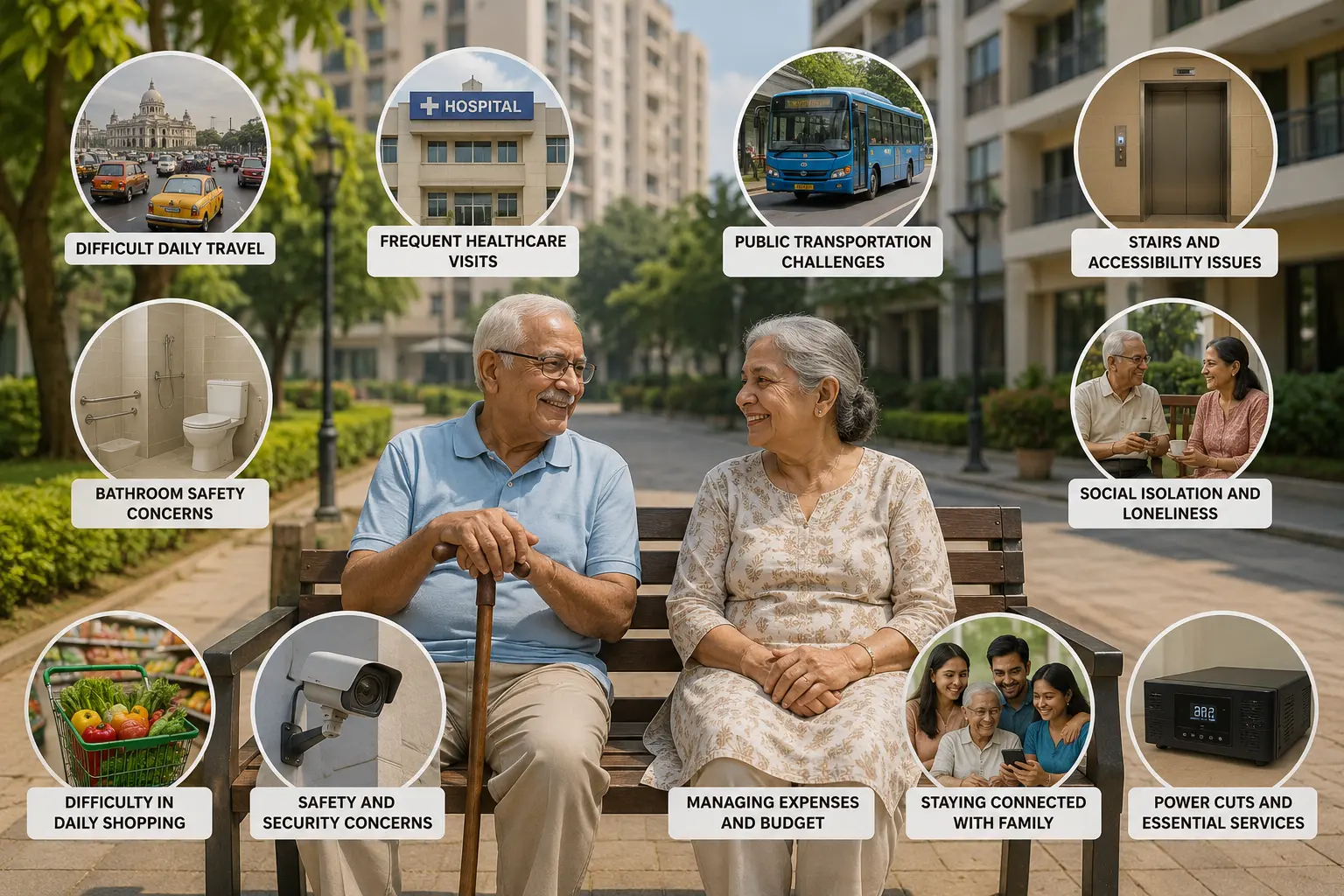
Retirement can bring more freedom, more personal time and an opportunity to focus on the things that were often postponed during a busy working life.
However, retirement can also change everyday social routines.
Earlier, work may have provided regular interaction with colleagues, friends and other people. Children may have lived at home, and daily life may have involved frequent social activity. Over time, those routines can change.
For some older adults, the challenge is not a lack of independence or a lack of things to do. The real problem can be finding meaningful ways to stay connected with people, interests and activities they enjoy.
For families and individuals exploring senior citizen living in Kolkata, social connection can be an important part of creating a comfortable and fulfilling lifestyle.
The good news is that staying socially active does not require a busy schedule every day.
It is about maintaining meaningful relationships, having enjoyable activities and living in an environment that makes everyday interaction easier.
Problem 1: Retirement Can Reduce Everyday Interaction
During working life, social interaction often happens naturally.
People meet colleagues, travel, attend meetings and follow regular routines.
After retirement, those regular interactions may gradually reduce.
A person may suddenly have much more time at home without a clear replacement for their earlier routine.
The Solution: Create a New Social Routine
Retirement does not mean social interaction has to disappear.
Instead of expecting activities to happen naturally, it can help to create a routine around personal interests.
This may include:
- Meeting friends regularly
- Spending time with family
- Taking part in hobbies
- Visiting familiar places
- Attending cultural activities
- Connecting with neighbours
- Learning something new
- Participating in local community activities
The best routine depends on what the individual genuinely enjoys.
There is no need to stay busy all the time. Meaningful interaction is more important than simply filling the day.
Problem 2: Friends and Family May Live Far Away
One of the common challenges of growing older is that social circles can become geographically spread out.
Children may move to another part of Kolkata or another city.
Friends may relocate.
Former colleagues may no longer meet regularly.
The Solution: Make Staying Connected Part of the Routine
Maintaining relationships may require more planning than before.
Simple habits can help, such as:
- Regular phone calls
- Family visits
- Meeting friends
- Video calls where comfortable
- Planning occasional outings
- Celebrating important occasions together
The purpose is not constant communication.
It is to maintain relationships that matter.
For older adults living independently, regular social connection can help ensure that life remains connected to family, friends and familiar relationships.
Problem 3: Living in an Inconvenient Location Can Make Socialising Difficult
A person may want to meet friends or participate in activities but find the location inconvenient.
If transportation is difficult or important places require complicated travel, people may gradually prefer staying at home.
The Solution: Consider Location as Part of Social Well-Being
When choosing a home, think about how the location supports everyday life.
Consider practical access to:
- Family
- Friends
- Markets
- Cultural spaces
- Community activities
- Transportation
- Familiar neighbourhoods
For senior citizens living in Kolkata, the right location should support the lifestyle they want rather than simply offering an attractive property.
A comfortable home in a disconnected location may not always support an active social life.
Problem 4: A Lack of Routine Can Lead to Less Engagement
After retirement, people may initially enjoy having more free time.
However, without a routine, days can gradually begin to feel repetitive.
This may make it easier to postpone activities and remain indoors.
The Solution: Build a Flexible Weekly Routine
A routine does not need to be strict.
It can simply provide something to look forward to.
For example:
Time With Family
Set aside regular time to speak with or meet family members.
Time With Friends
Plan occasional meetings, outings or conversations.
Personal Interests
Dedicate time to reading, music, gardening, art or other hobbies.
Learning
Explore new subjects or activities that create mental engagement.
Time Outdoors
Where comfortable and suitable, spend time outside and remain connected with the surrounding environment.
The goal is to create a balanced routine rather than a packed schedule.
Problem 5: Seniors May Feel That Social Activities Are Only for Younger People
Some older adults may hesitate to participate in new activities because they feel uncomfortable entering unfamiliar groups or environments.
This can make it difficult to explore new interests.
The Solution: Start With Familiar Interests
There is no need to completely change someone’s lifestyle.
Start with activities that already feel enjoyable.
For example:
- Reading
- Music
- Cooking
- Gardening
- Art
- Religious or cultural interests
- Teaching
- Mentoring
- Spending time with grandchildren
- Sharing professional knowledge
Personal interests can also create opportunities to meet people with similar preferences.
The most sustainable activities are usually the ones a person genuinely enjoys.
Problem 6: Families May Assume Seniors Want Constant Company
Families naturally worry about elderly parents spending time alone.
However, spending time alone and feeling lonely are not the same thing.
Many older adults value privacy, independence and quiet time.
The Solution: Focus on Meaningful Connection
Instead of trying to keep seniors constantly occupied, families can ask:
- How much social interaction do you enjoy?
- Who would you like to spend more time with?
- Are there activities you miss?
- Is there anything you would like to start doing?
The answers may be different for every person.
A good lifestyle should balance social interaction with personal independence.
Problem 7: Moving to a New Area Can Disrupt Existing Relationships
A new home may offer better comfort or convenience, but moving far away from familiar people can create adjustment challenges.
Neighbours, friends and familiar local places can all be part of someone’s daily life.
The Solution: Consider Social Connections Before Moving
Before choosing a new location, think about:
- Distance from close friends
- Ease of family visits
- Familiarity with the neighbourhood
- Transportation practicality
- Opportunities to maintain existing relationships
When possible, a move should improve practical living without unnecessarily disconnecting the person from the relationships that matter.
Problem 8: Technology Can Help but Should Not Replace Real Relationships
Phones and digital communication can make it easier to stay connected.
However, technology may not be equally comfortable for everyone.
Some people may enjoy video calls, while others prefer simple phone conversations or meeting in person.
The Solution: Use Technology in a Way That Feels Natural
Technology can support communication through:
- Phone calls
- Messaging
- Video calls
- Sharing photographs
- Group conversations
The objective should be simplicity.
Technology should make communication easier, not create another task to manage.
Problem 9: Seniors May Have Interests but No One to Share Them With
An individual may enjoy reading, music, gardening or another hobby but spend most of their time pursuing it alone.
Shared interests can sometimes create opportunities for conversation and connection.
The Solution: Turn Interests Into Social Opportunities
Consider whether hobbies can involve other people.
For example:
Reading
Discuss books with friends or join suitable reading activities.
Gardening
Share gardening experiences, ideas and plants with neighbours or friends.
Music
Attend performances or enjoy music with family and friends.
Teaching and Mentoring
Share knowledge and experience with younger people.
Creative Activities
Explore art, writing or other interests with people who enjoy similar activities.
The goal is not to turn every hobby into a group activity.
It is simply to create opportunities for connection when desired.
Problem 10: Families Focus on Safety but Forget About Quality of Life
When families think about elderly parents, they often focus on practical concerns.
Is the home safe?
Can they manage daily activities?
Is healthcare accessible?
These are important questions.
However, quality of life also depends on whether a person feels connected, engaged and able to continue enjoying their interests.
The Solution: Plan for the Complete Lifestyle
A comfortable environment should support:
Independence + Daily Convenience + Social Connection + Personal Interests + Family Relationships
These factors work together.
A home should not only be easy to manage. It should support the type of life the person wants to live.
How Seniors Can Stay Socially Active After Retirement
There is no single formula.
A fulfilling routine may include a combination of different activities.
Maintain Existing Friendships
Long-term friendships can provide familiarity and meaningful connection.
Stay Connected With Family
Regular communication and visits can help maintain strong relationships.
Continue Personal Interests
Retirement can provide more time for hobbies and activities.
Learn Something New
Exploring new subjects can provide mental engagement and new experiences.
Participate in Activities That Feel Meaningful
The most enjoyable activities are often those that match personal interests rather than following a trend.
Spend Time in the Community
Simple interactions with neighbours and familiar people can also be valuable.
How the Right Home Can Support Social Connection
The home itself can influence how easily someone stays connected.
A practical living environment can support:
Easy Family Visits
A convenient location can make it easier for family members to spend time together.
Comfortable Everyday Living
When managing the home requires less effort, more time and energy may be available for personal interests.
Better Location Convenience
Access to transportation and frequently visited places can make social activities easier.
Opportunities for Interaction
The surrounding residential environment can influence how connected or isolated a person feels.
For families researching senior citizen friendly homes in Kolkata, social well-being should be considered alongside accessibility and daily convenience.
A Simple Weekly Social Activity Plan for Seniors
A balanced routine could include:
One Day for Family Connection
Spend time speaking with or meeting family.
One Day for Friends
Plan a call, visit or outing with a friend.
Regular Time for Personal Interests
Continue hobbies that provide enjoyment and relaxation.
Time for Learning
Read, explore a new topic or develop a skill.
Time for Personal Relaxation
Social connection is important, but so is personal space.
This type of routine can remain flexible and should always reflect individual preferences.
How Families Can Help Seniors Stay Connected
Families can support social activity without forcing participation.
Useful support may include:
- Asking about activities they enjoy
- Helping maintain family connections
- Supporting hobbies and interests
- Planning occasional visits
- Discussing preferred social activities
- Respecting personal independence
- Helping explore practical living options when the current environment has become inconvenient
The best support begins with listening.
Choosing a Location That Supports an Active Social Life
Before choosing a home, consider whether the location supports the person’s lifestyle.
Ask:
- Can family members visit conveniently?
- Are close friends reasonably accessible?
- Is transportation practical?
- Can the person continue familiar routines?
- Does the area match their preferred lifestyle?
- Are everyday activities manageable?
For families exploring future housing options, explore residential properties in Kolkata based on location, accessibility, daily convenience and long-term lifestyle requirements.
You can also learn more about factors that support senior citizen living in Kolkata before comparing different residential environments.
Final Thoughts
Staying socially active after retirement is not about having a busy calendar.
It is about maintaining meaningful relationships, continuing enjoyable activities and having the freedom to spend time in ways that feel personally fulfilling.
For senior citizens in Kolkata, the right home and location can make an important difference by supporting daily independence, family connection and access to the people and activities they value.
The best lifestyle is one that creates a healthy balance between social connection, personal interests, independence and privacy.
A comfortable retirement should provide not only a suitable place to live but also the opportunity to continue enjoying life, relationships and meaningful experiences.
Frequently Asked Questions
How can senior citizens stay socially active after retirement?
They can maintain friendships, stay connected with family, continue hobbies, explore new interests and participate in activities they genuinely enjoy.
Is living alone always socially isolating for senior citizens?
No. Living alone does not automatically mean feeling isolated. Many seniors value independence and privacy while maintaining meaningful relationships with family and friends.
Why is social connection important for senior citizens?
Meaningful relationships and enjoyable activities can contribute to a more fulfilling lifestyle and help people remain connected to the people and interests they value.
How can families help elderly parents stay socially connected?
Families can maintain regular communication, plan visits, support hobbies, encourage meaningful activities and respect the parent’s personal preferences.
Does location affect the social life of senior citizens?
Yes. A convenient location can make it easier to maintain relationships, visit familiar places, access transportation and participate in preferred activities.
What should families consider when choosing a home for socially active seniors?
Consider family connectivity, access to friends, transportation, everyday convenience, the surrounding environment and the senior’s preferred lifestyle.