
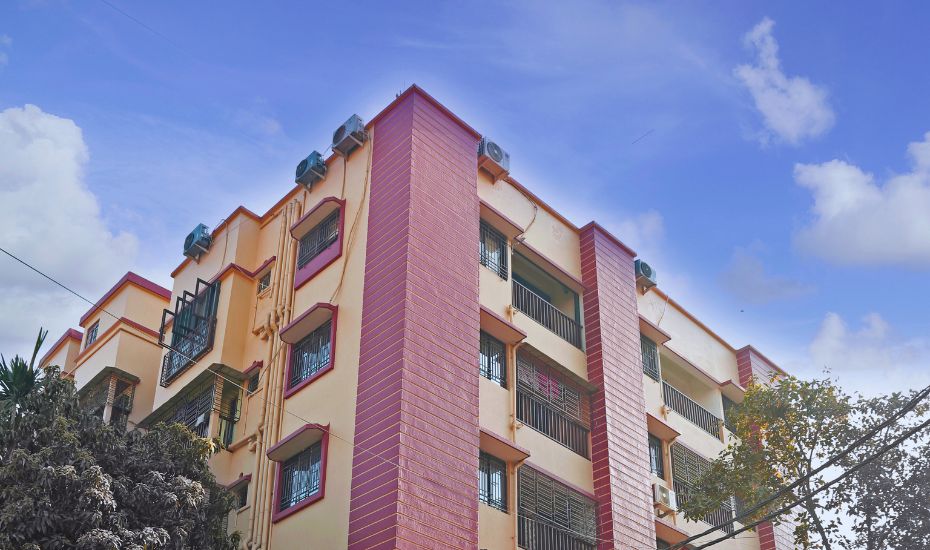
Every few months, someone asks whether Kolkata property is still a good investment, or whether the real action has moved to other metros. Kolkata does not produce breathless price headlines, but beneath the quiet surface there is a market with genuine return drivers, clear growth corridors, and risks worth understanding. This is a plain-spoken guide to kolkata real estate investment in 2026: where returns come from, which areas deserve attention, and what could go wrong.
A note on method: BS Group has been developing homes in Kolkata since 1992, with more than 30 completed projects. We stick to what can be observed and verified, and flag clearly where you should check current figures yourself.
What “returns” actually mean in property
When people say property gave good returns, they usually mean one of two things, and often a mix of both. The first is capital appreciation: the flat you bought is worth more today than what you paid. The second is rental income: the rent you collected while you owned it.
In Kolkata, capital appreciation has historically been steadier and less dramatic than in some other metros. That is not necessarily a weakness: sharp spikes are usually followed by sharp corrections, and Kolkata’s end-user driven market tends to avoid both extremes. Rental income, meanwhile, has grown more interesting as the working population has expanded around IT hubs and commercial districts.
Think of total return as appreciation plus net rental income, minus costs like maintenance, property tax, and loan interest. Any pitch that talks only about price appreciation and ignores these costs is telling you half the story.
The drivers pushing returns in 2026
Infrastructure-led growth
Few things move property values as reliably as infrastructure. Metro rail expansion, new flyovers, and improved road connectivity steadily reprice the areas they touch, pulling once-peripheral corridors into the daily commute map. When travel time to a job hub falls, residential demand follows. When evaluating an area, look at what is under construction or planned nearby, not just what exists today.
A genuine end-user market
Kolkata’s market is dominated by people buying homes to live in, not speculators flipping flats. End-user demand is steadier: it does not vanish when sentiment turns. Areas with good schools, hospitals, and daily conveniences attract families who buy regardless of the investment cycle, which puts a floor under prices and rents.
Affordability as a compounding advantage
Kolkata remains meaningfully more affordable than India’s other large metros. Lower entry prices improve the rental yield arithmetic and widen the pool of future buyers when you sell. Demand concentrates where ordinary working families can actually buy, which makes affordability a structural advantage for returns.
Rental demand from a growing workforce
Around Newtown, Sector V, and the EM Bypass commercial belt, a steady stream of professionals needs rental housing. Job migration creates tenants before it creates buyers, so areas absorbing this workforce tend to show the healthiest rental markets in the city.
Growth corridors worth understanding
No investment guide should treat the whole city as one market. Here are the corridors that matter most right now, described qualitatively so you can verify current prices yourself.
Newtown and Rajarhat: the planned-growth story
Newtown is Kolkata’s most deliberately planned expansion zone. Planned roads, institutional campuses, IT parks, and metro connectivity give it a different character from older neighbourhoods. Prices already reflect much of this promise, so the case here is steady demand from professionals who want to live near work, not undiscovered bargains. BS Group’s BS Nest project sits in this corridor. Because expectations are already high, compare carefully against resale options before paying launch prices.
EM Bypass: the established east-side spine
The Eastern Metropolitan Bypass has matured into one of the city’s most important residential and commercial spines, connecting southern neighbourhoods to Salt Lake, Sector V, and Newtown. Established corridors rarely deliver explosive growth, but they offer dependable demand, good resale liquidity, and rental markets that stay occupied.
Dum Dum: connectivity-driven value
Dum Dum and Dum Dum Cantonment benefit from metro connectivity and airport proximity: a middle path between far suburbs and premium pockets. Pragati Dham, one of our completed projects, is located in Dum Dum Cantonment, and the steady interest it has seen reflects the area’s durable fundamentals.
Sodepur and Jessore Road: the affordability play
The Sodepur and Jessore Road belt offers some of Kolkata’s most affordable entry points. Lower ticket sizes mean lower EMIs, popular with first-time buyers and tenants alike. The trade-off is slower appreciation, more dependent on specific infrastructure improvements, so homework on exact location and the developer’s track record matters more here. Our Sai Enclave project sits on Jessore Road in Sodepur, in this affordability band.
The risks, stated plainly
Honest investment writing talks about risk. Here are the ones that matter in Kolkata.
Project delays
Delays cost you twice: your money stays locked up longer, and you lose the rental income or home you would have had. Check the developer’s delivery history on past projects, not just promises on the current one. A developer with 30+ completed projects since 1992 has a record you can inspect; a new entrant asking you to trust a first launch does not.
Title and paperwork issues
Disputed titles, unclear ownership chains, and missing approvals remain real risks in parts of Kolkata, especially older neighbourhoods and conversions. This is the most expensive mistake a buyer can make, and it can take years to resolve. Before booking, go through our checklist of documents to verify before buying a flat in Kolkata, and get the title checked by an independent lawyer.
Liquidity: property is not a stock
You cannot sell a flat in a day; in a slow market, finding a buyer at your price can take months. Never invest money you might need urgently. Liquidity is better in established, well-connected areas and worse in far-flung or oversupplied pockets.
Micro-market oversupply
When many similar flats launch together in one corridor, resale prices and rents face pressure. Before buying, check how much new supply will complete nearby over the next two to three years.
Maintenance and ageing stock
Older buildings can carry hidden costs: major repairs, society disputes, declining tenant appeal. Factor in the building’s age, maintenance record, and upcoming repair liabilities; a slightly costlier flat in a well-maintained building is often the better investment.
A practical due-diligence checklist for 2026
Use this as a starting framework before any booking:
- Verify the developer’s completed projects and delivery record, not just brochures.
- Check RERA registration status and read the actual project details on the official portal.
- Get the title and approvals reviewed by an independent lawyer.
- Visit the site in person. Our guide on what to check during a property site visit walks you through it.
- Compare the price against recent resale transactions in the same micro-market, not just the developer’s launch price.
- Calculate your total cost of ownership, including stamp duty, registration, maintenance, and loan interest. Our total cost guide explains each component.
- Stress-test your finances: can you handle the EMI if your income dips for six months?
- Ask direct questions before booking. Keep our list of questions to ask a developer handy during the meeting.
Frequently Asked Questions
Is Kolkata a good city for property investment in 2026?
Kolkata offers a steadier, end-user driven market with lower entry prices than other large metros, suiting long-term investors rather than quick-flip speculators. Your outcome depends far more on the specific corridor and project than on the city as a whole.
Which areas of Kolkata have the best investment potential?
Corridors with infrastructure momentum and nearby employment tend to do best: Newtown/Rajarhat, EM Bypass, Dum Dum, and Sodepur/Jessore Road. Always verify current prices and upcoming supply in the specific micro-market.
What returns can I expect from Kolkata real estate?
Returns come from appreciation plus rental income, minus costs. We do not publish forecasts; they depend on entry price, location, holding period, and conditions. Be cautious of anyone guaranteeing a percentage.
Is it better to buy under-construction or ready-to-move property in Kolkata?
Under-construction flats cost less but carry delay risk; ready-to-move costs more but can earn rent immediately. For under-construction, the developer’s track record is the single most important factor.
What is the biggest risk in Kolkata property investment?
Title or paperwork problems and project delays, which can lock up large sums for years. Both are manageable: independent legal verification plus a developer with a verifiable delivery history.
How long should I hold Kolkata property as an investment?
Transaction costs are high and liquidity low, so holding seven to ten years or more generally beats short-term trading. Short horizons rarely survive stamp duty, registration, and brokerage.
Talk to a developer who has been in Kolkata since 1992
If you are evaluating Kolkata property in 2026, talk to a team that has built through multiple market cycles. BS Group has completed 30+ projects since 1992, and we will walk you through options, site visits, and paperwork with no pressure.
Call us on +91 7044559552 or reach out through our contact page to book a site visit. Bring your questions; we will bring straight answers.